






Simple Ways to Practice Creativity Every Day
Creativity is often treated like a special talent that appears only during artistic projects. In reality, creativity is a useful everyday skill. It helps you solve problems, notice possibilities, express yourself, and approach familiar tasks in fresh ways.
You do not need expensive supplies, long stretches of free time, or a perfect workspace to practice creativity. Small, consistent actions can make creative thinking a natural part of your day. The key is to focus on curiosity and progress rather than producing something impressive.
Start with five minutes
One of the simplest ways to practice creativity is to set aside a short amount of time each day. Five minutes is enough to begin. A small time commitment feels manageable, even on busy days, and it removes the pressure to complete a large project.
During those five minutes, try one of these activities:
– Write a few sentences about your day.
– Sketch an object near you.
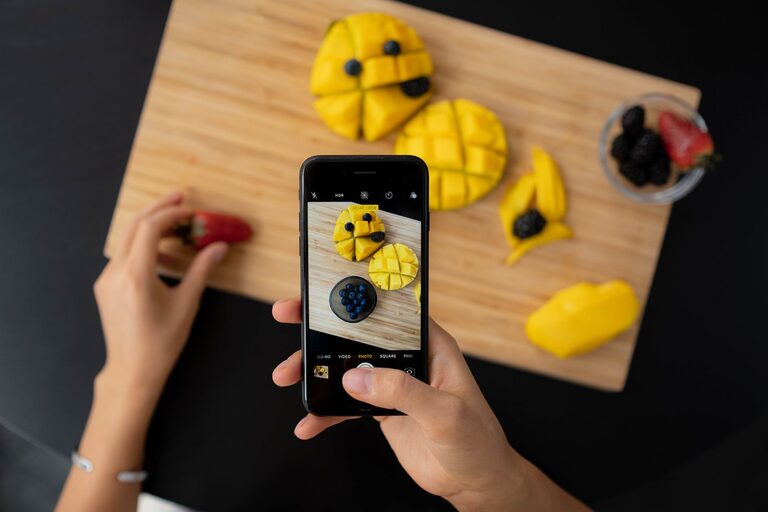
– Take a photo of an interesting detail.
– Make a short list of new ideas.
– Rearrange a small area of your home.
– Hum or tap out a simple rhythm.
– Add a new ingredient to a familiar meal.
The goal is not to create a finished product. It is to give your mind regular opportunities to explore.
Keep a simple idea notebook
Ideas can appear at unexpected times, but they are easy to forget. Keep a notebook, notes app, or document where you can capture them quickly. Write down anything that catches your attention, even if it seems unfinished or impractical.
You might record:
– A question you would like to explore
– A title for a story, article, or project
– An unusual combination of colors
– A conversation topic
– A design you noticed
– A problem you would like to solve
– A memory that brings up strong images
Do not judge the ideas while recording them. A quick, imperfect note may become useful later. Reviewing your notebook once a week can also reveal patterns in your interests.
Change one familiar routine
Repetition is useful, but doing everything the same way can limit your attention. Add variety by changing one small part of a familiar routine.
For example, you could:
– Take a different route during a walk
– Prepare breakfast in a new way
– Work from a different room
– Listen to a new type of music
– Read a magazine or book outside your usual interests
– Use your nondominant hand for a simple drawing
– Rearrange the order of your morning tasks
Small changes encourage you to notice details that might otherwise blend into the background. New experiences also give your mind more material to connect and combine.
Use creative prompts
A blank page can feel intimidating. Prompts provide a starting point and make creative practice easier. Choose a prompt that is specific enough to guide you but open enough to allow different answers.
Try prompts such as:
– Describe a place using only sounds and smells.
– Draw the same object three different ways.
– Invent a tool that would make one daily task easier.
– Write about an ordinary day from an unusual point of view.
– Combine two unrelated objects into a new invention.
– Create a short story using three random words.
– List ten possible uses for a common household item.
Set a timer for ten or fifteen minutes and stop when it ends. A time limit can help you move past overthinking.
Practice observation
Creativity begins with paying attention. The more carefully you observe the world, the more details you have to use in your writing, art, projects, and problem-solving.
Choose one ordinary object, such as a cup, shoe, tree, or window. Study it for a minute. Notice its shape, texture, color, marks, and relationship to the surrounding space. Then describe or draw what you saw.
You can also make observation part of a walk. Look for patterns in buildings, changes in light, small sounds, or differences in plants. You do not need to turn every observation into a project. Simply noticing more can strengthen your creative awareness.
Create without sharing
Many people stop themselves before beginning because they imagine how others might respond. Private creative practice removes that pressure. Give yourself permission to make things that are rough, strange, incomplete, or meaningful only to you.
Try writing in a private journal, making an unplanned sketch, or experimenting with a new recipe just for yourself. When there is no requirement to publish, display, or explain the result, you may feel more comfortable taking risks.
Sharing can be enjoyable, but it does not need to be the purpose of every creative activity.
Turn everyday tasks into experiments
Creativity does not have to be separate from daily life. Treat routine tasks as small experiments by asking, “What is another way to do this?”
You might experiment with:
– A different layout for your desk
– A new way to organize a closet
– A fresh presentation for lunch
– A more welcoming arrangement of furniture
– A faster or simpler method for completing a task
– A different opening for an email or note
– A new way to explain an idea
Some experiments will be useful, while others will simply teach you what does not work. Both results are valuable. Curiosity matters more than constant success.
Combine unrelated interests
New ideas often emerge when two different subjects meet. If you enjoy gardening and photography, document the progress of your plants. If you like history and cooking, prepare a dish inspired by a past era. If you enjoy technology and music, explore how digital tools can support a musical project.
Make a list of your interests, then choose two that do not seem connected. Ask how they might influence each other. This exercise can lead to original projects and help you discover new hobbies.
Make room for boredom
Constant entertainment leaves little space for ideas to develop. Spend a few moments each day without immediately reaching for a screen, podcast, or other distraction. Sit quietly, look out a window, or take a slow walk.
Boredom can give your mind time to wander. During these pauses, you may remember an old idea, notice a question, or imagine a different approach to a problem. You do not need to force inspiration. Just allow some open space in your schedule.
Build a supportive creative environment
Your surroundings can make creative practice easier. Keep a few basic supplies where you can see and reach them. This might include a notebook and pen, colored pencils, a camera, craft materials, or a collection of books.
You can also create a small cue for creativity. Play the same playlist, make a cup of tea, or clear a section of your table before beginning. Over time, these actions can signal that it is time to focus and experiment.
Keep the setup simple. If preparing to create takes longer than creating, reduce the number of steps.
Focus on consistency, not perfection
Creative growth comes from regular practice. Some days will produce exciting ideas, while others may feel ordinary. That is normal. The purpose of a daily creative habit is to keep exploring, not to create something remarkable every time.
Choose an activity you genuinely enjoy and make it easy to repeat. Start with a small goal, track your efforts if that feels motivating, and adjust the routine when needed. A few minutes of curiosity each day can gradually improve your confidence and expand the way you see familiar experiences.
Creativity is not reserved for artists or special occasions. It is a habit of noticing, asking questions, trying alternatives, and making connections. With small daily practices, anyone can create more room for fresh ideas.