






How to Make Your Kitchen Counters Clutter Free
A clear kitchen counter can make the entire room feel calmer, larger, and easier to use. It also makes cooking and cleaning simpler because you have more open space for meal preparation. The goal is not to remove everything from your counters, but to keep only the items you use often and give everything else a practical home.
With a few small changes, you can reduce visual clutter without making your kitchen difficult to use. Follow these steps to create counters that stay tidy day after day.
Start With a Complete Counter Reset
Before organizing, remove everything from your kitchen counters. Place the items on a table, dining chair, or clean section of the floor. Seeing everything together makes it easier to notice duplicates, unused appliances, and items that do not belong in the kitchen.
Clean the empty counters with a suitable surface cleaner, then sort the items into four groups:
- Use daily: Items you reach for almost every day.
- Use occasionally: Appliances and tools needed once a week or less.
- Belong elsewhere: Mail, toys, paperwork, and other items that have collected in the kitchen.
- Remove: Broken, unused, or duplicate items.
Be honest about what deserves counter space. An appliance that is used once a month may be easier to store in a cabinet or pantry. If you are unsure about an item, put it away for a week. If you do not miss it, it probably does not need to stay out.
Choose What Earns a Place on the Counter
Counters are most useful when they hold items that support your everyday routine. Common examples include a coffee maker, toaster, knife block, or fruit bowl. However, even useful items can create clutter if too many are displayed together.
A helpful rule is to keep only the items that meet at least one of these conditions:
- You use them every day.
- They are too large or heavy to move easily.
- They add practical value without blocking your workspace.
- They fit neatly into a defined area.
Try to leave at least one clear section of counter for food preparation. This open area is especially valuable in smaller kitchens. If your counters are limited, consider storing less frequently used items in a cabinet, pantry, or nearby utility closet.
Give Every Item a Specific Home
Clutter often returns when items do not have a clear place to go. Assign a storage location to every kitchen tool, appliance, and supply. A good storage system should be simple enough that everyone in the household can follow it.
Store items near the place where they are used. For example:
- Keep cooking utensils near the stove.
- Store cutting boards near the main preparation area.
- Place coffee supplies near the coffee maker.
- Keep food storage containers together in one cabinet.
- Store cleaning products under the sink or in a designated utility area.
When an item has a logical home, putting it away takes less effort. Avoid creating overly complicated systems that require several steps or precise arrangements. Easy storage is more likely to last.
Use Cabinets and Drawers More Efficiently
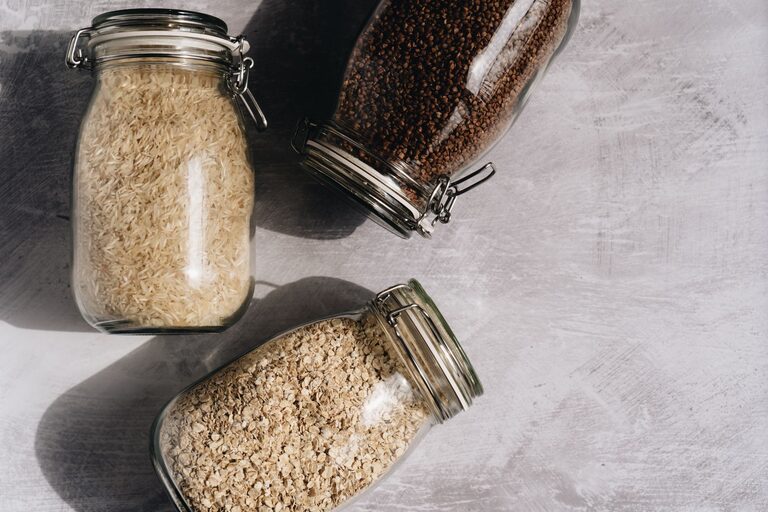
You may have more storage space than you realize. Start by removing expired food, unused containers, and items that no longer work. Then group similar items together so you can find them quickly.
Consider these simple improvements:
Use Vertical Space
Install shelf risers to create an extra level for plates, mugs, or pantry items. A vertical divider can keep baking sheets, cutting boards, and serving trays upright instead of stacked.
Add Drawer Organizers
Drawer dividers help separate utensils, measuring tools, and small kitchen gadgets. Choose adjustable organizers when possible so the layout can change as your needs change.
Make Deep Cabinets Easier to Reach
Pullout bins, baskets, and sliding shelves can make deep cabinets more useful. Place less frequently used items toward the back and everyday items near the front.
Use Cabinet Doors
The inside of a cabinet door can hold measuring spoons, pot lids, cutting boards, or small cleaning tools. Use slim racks or hooks that do not interfere with the cabinet shelves.
Create Small, Controlled Zones
Instead of spreading related items across the entire counter, group them into compact zones. A coffee station might include the coffee maker, a small container of beans or grounds, and a few mugs. A cooking zone might include a utensil holder, oil, and seasonings.
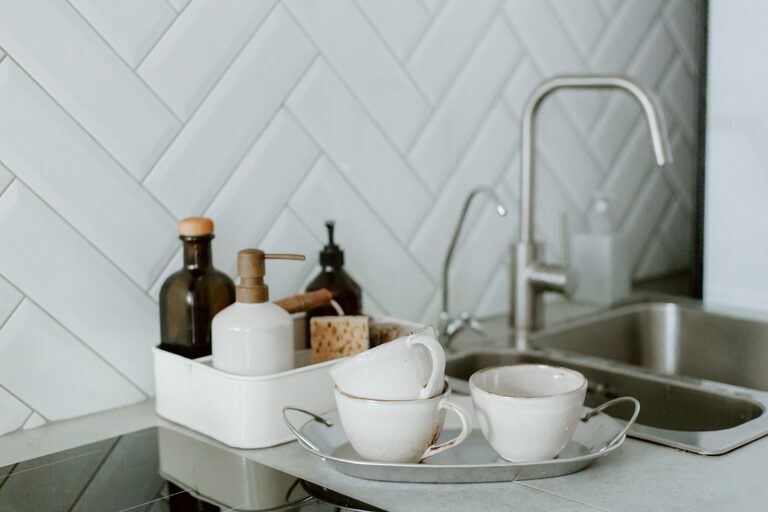
Use a tray to keep each group contained. A tray makes a collection look intentional and allows you to move several items at once when you need more workspace. Choose a tray that is easy to wipe clean and small enough to leave open counter space around it.
Other useful zones include:
- Breakfast zone: Cereal, bread, and spreads stored together in a cabinet or basket.
- Baking zone: Flour, sugar, measuring tools, and mixing accessories grouped in one area.
- Cleaning zone: Dish soap, sponges, and brushes arranged near the sink.
- Produce zone: Fresh fruit and vegetables placed in one bowl or basket.
Manage Everyday Drop Zones
Mail, keys, reusable bags, and water bottles can quickly take over kitchen counters. Create a separate drop zone near the entrance or in a nearby hallway. A small basket, wall organizer, or set of hooks can keep these items from landing on the counter.
For mail, use a simple routine:
- Sort it as soon as it enters the home.
- Recycle unwanted paper immediately.
- Place important items in one designated folder.
- Schedule a regular time to handle anything that needs attention.
If the kitchen is the most convenient place for certain items, use a small container rather than allowing them to spread across the counter. Empty the container regularly so it does not become another source of clutter.
Keep Small Appliances Under Control
Small appliances often take up more space than expected. If you use an appliance daily, keeping it out may be practical. For occasional appliances, store them in an accessible cabinet or pantry.
When deciding whether an appliance should remain on the counter, consider:
- How often you use it.
- How difficult it is to lift and put away.
- Whether it blocks outlets, cabinets, or work areas.
- Whether another appliance can perform the same task.
If several appliances stay out, arrange them in a straight line or group them on one side of the counter. Keep cords tucked behind the appliances or use simple cord wraps to reduce visual mess.
Build a Five Minute Reset Routine
A short daily reset is easier than a large cleaning session at the end of the week. Choose a convenient time, such as after dinner, and return the counters to their normal state.
A five minute reset might include:
- Putting away appliances and ingredients.
- Returning dishes and glasses to their storage areas.
- Moving mail and personal items to their drop zones.
- Wiping the counters and sink.
- Checking whether the trash or recycling needs attention.
Encourage everyone who uses the kitchen to take part. The routine works best when returning items becomes a shared habit rather than one person’s responsibility.
Review the System Regularly
Your kitchen needs may change over time. Review your counters and storage areas every few months. Remove items that are no longer useful, adjust zones that are not working, and move frequently used tools closer to where they are needed.
A clutter-free kitchen does not require perfect organization or expensive products. It depends on clear decisions, convenient storage, and a routine that is easy to maintain. Keep the items you use, give everything a home, and reset the counters regularly. These simple habits can help your kitchen stay open, comfortable, and ready for the next meal.