









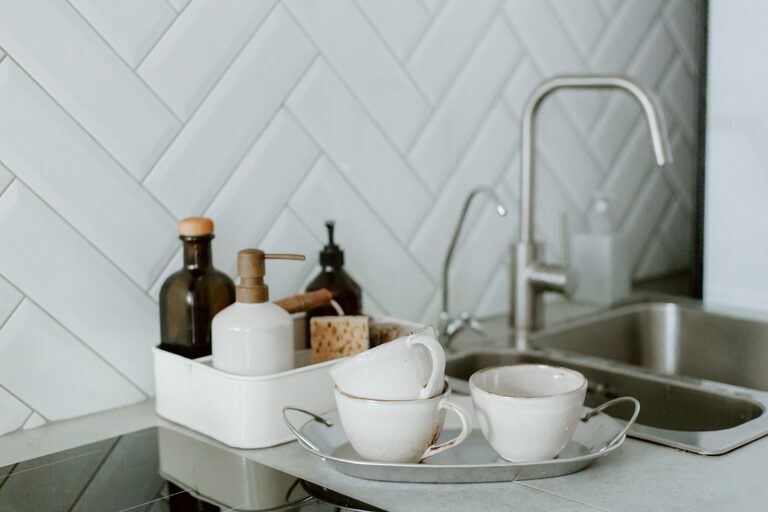

Practical Ways to Make Chores More Manageable
Keeping up with household chores can feel like a never-ending job. Dishes, laundry, cleaning, and tidying often compete with work, family time, and rest. When chores pile up, even small tasks may seem difficult to start.
The good news is that chores do not have to take over your day. A few simple systems can make household work easier to plan and faster to complete. The goal is not to create a perfect home. It is to build routines that keep your space comfortable and manageable.
Start With a Simple Chore List
The first step is to get chores out of your head and onto paper or a digital list. Trying to remember every task can make your workload feel larger than it is.
Write down the chores that need to be done regularly, such as:
– Washing dishes
– Doing laundry
– Taking out the trash
– Wiping kitchen surfaces
– Cleaning bathrooms
– Vacuuming or sweeping
– Changing bed linens
– Organizing clutter
Once everything is listed, separate tasks by how often they need to be done. Some chores may be daily, while others can be weekly or monthly. This prevents you from treating every task as an emergency.
Break Large Tasks Into Smaller Steps
A large chore can feel overwhelming because it includes several smaller tasks. Instead of writing “clean the house,” create a short list of specific actions.
For example, cleaning the kitchen might include:
- Put away clean dishes.
- Load or wash dirty dishes.
- Wipe the counters.
- Clean the sink.
- Sweep the floor.
Small steps are easier to begin and provide a clear sense of progress. They also make it easier to stop when your available time runs out. Even completing one or two steps can improve the room.
Use the Five-Minute Start
When you do not feel motivated, commit to working for just five minutes. Put away items, wipe one surface, or gather laundry. After five minutes, you can decide whether to continue.
Starting is often harder than the chore itself. A short time limit removes some of the pressure and can help you build momentum.
Create a Routine That Fits Your Schedule
A routine works best when it matches your daily life. There is no need to copy someone else’s cleaning schedule. Think about when you have the most time and energy.
You might choose to:
– Do a quick kitchen reset after dinner
– Start laundry on specific mornings
– Clean one room each day
– Tidy for ten minutes before bed
– Complete bigger tasks on one weekend morning
Try to connect chores with habits you already have. For example, wipe the bathroom sink after brushing your teeth or put away items while waiting for coffee to brew. Linking chores to existing routines makes them easier to remember.
Use Daily, Weekly, and Monthly Schedules
A simple schedule can prevent chores from accumulating. Focus on a few essential tasks each day and save less frequent work for later.
Daily chores
Daily chores often include tasks that affect comfort and cleanliness right away:
– Washing dishes
– Clearing kitchen counters
– Putting items back in their places
– Wiping spills
– Taking out trash when needed
Weekly chores
Weekly chores may include:
– Vacuuming or sweeping floors
– Cleaning bathrooms
– Changing bed linens
– Dusting surfaces
– Washing towels
Monthly chores
Monthly tasks might include:
– Cleaning appliances
– Wiping baseboards
– Sorting a drawer or cabinet
– Washing windows
– Checking supplies
This schedule does not need to be strict. If you miss a task, move it to another day instead of abandoning the whole plan.
Keep Cleaning Supplies Convenient
Chores take longer when you have to search for supplies. Store frequently used items near the areas where you use them. For example, keep bathroom cleaning supplies in a secure location near the bathroom and kitchen cloths close to the sink.
A basic supply kit may include:
– Microfiber cloths
– A general-purpose cleaner
– A scrub brush
– A broom or vacuum
– Sponges
– Trash bags
– Rubber gloves
Keeping supplies together makes it easier to handle small messes right away. Be sure to follow product labels and store cleaning products safely, especially if children or pets live in the home.
Reduce Clutter to Reduce Chores
Clutter creates extra work because objects must be moved before surfaces can be cleaned. Reducing the number of items in your main living areas can make tidying much faster.
Try using a simple three-part sorting method:
– Keep items you use regularly.
– Move items that belong elsewhere.
– Remove items you no longer need.
You do not have to organize your entire home at once. Choose one drawer, shelf, or corner and work on it for a few minutes. Small improvements can make everyday cleaning easier.
Use the One-Touch Rule
The one-touch rule means putting an item where it belongs as soon as possible instead of moving it several times. For example, place mail in its designated spot, hang up a coat, or put a cup directly in the dishwasher.
This approach helps prevent small piles from forming. It may take practice, but it can save time over the course of a week.
Share Responsibilities Clearly
If you live with other people, chores should not automatically fall to one person. A shared system makes responsibilities more visible and fair.
Create a list of household tasks and decide who will handle each one. You can divide chores by:
– Personal responsibility
– Room
– Day of the week
– Type of task
– Rotating assignments
Be specific. “Help with cleaning” is less clear than “vacuum the living room on Saturday.” Clear expectations make it easier for everyone to contribute.
Children can also take part in age-appropriate household tasks, such as putting away toys, sorting laundry, or wiping a table. The aim is to build shared habits, not to expect perfect results.
Make Chores More Enjoyable
Small changes can make repetitive tasks feel less tiring. Listen to music, an audiobook, or a podcast while doing chores, as long as it is safe to do so. You can also treat chores as a chance to move around after sitting for a long time.
Another option is to pair an unpleasant task with something you enjoy afterward. For example, finish a quick kitchen reset before relaxing with a book or watching a favorite show.
Avoid the All-or-Nothing Mindset
A common reason chores become stressful is the belief that everything must be completed at once. In reality, a home can be maintained through small, regular efforts.
If you only have ten minutes, choose the task that will make the biggest difference. Clear the sink, remove trash, or tidy the main living area. Progress is still valuable even when it is not complete.
Review and Adjust Your System
Your chore routine should change when your schedule or household needs change. At the end of each week, ask yourself:
– Which tasks were easy to maintain?
– Which chores kept getting delayed?
– Are some tasks scheduled too often?
– Can any responsibilities be shared?
– What would make the next week simpler?
Adjust the plan based on what works in real life. A flexible routine is more useful than a demanding schedule that is difficult to follow.
Making chores manageable is mostly about reducing decisions, breaking tasks into smaller steps, and creating routines that fit your daily life. With a practical system, household work becomes less overwhelming and easier to complete one small task at a time.