






How to Create a Relaxing Home Workspace
A home workspace should help you feel comfortable, focused, and ready to get things done. It does not need to be large or expensive. With a few thoughtful changes, even a small corner can become a calm and inviting place to work, study, or manage daily tasks.
The goal is to create an environment that supports concentration without feeling cold or overly formal. Comfortable furniture, soft lighting, clear surfaces, and personal touches can make a noticeable difference in how you experience your workday.
Choose the Right Location
Start by choosing a location that fits your routine. If possible, select an area with enough room for your desk, chair, and basic supplies. A quiet corner of a bedroom, living room, or spare room can work well.
Consider how the space is used throughout the day. Avoid placing your desk in a busy walkway if regular movement and noise may distract you. At the same time, a completely isolated location may not be ideal if you prefer some connection with the rest of your home.
When choosing a spot, think about:
– The amount of natural light
– Noise from nearby rooms or appliances
– Access to power outlets
– Room for storage
– Your preferred level of privacy
– The background visible during video calls
If space is limited, use a wall-mounted desk, a narrow console table, or a small desk placed in an unused corner. Keeping the workspace compact can also make it easier to maintain.
Select Comfortable, Supportive Furniture
Comfort is one of the most important parts of a relaxing workspace. A beautiful desk is not useful if it makes your shoulders tense or leaves you without enough room to work.
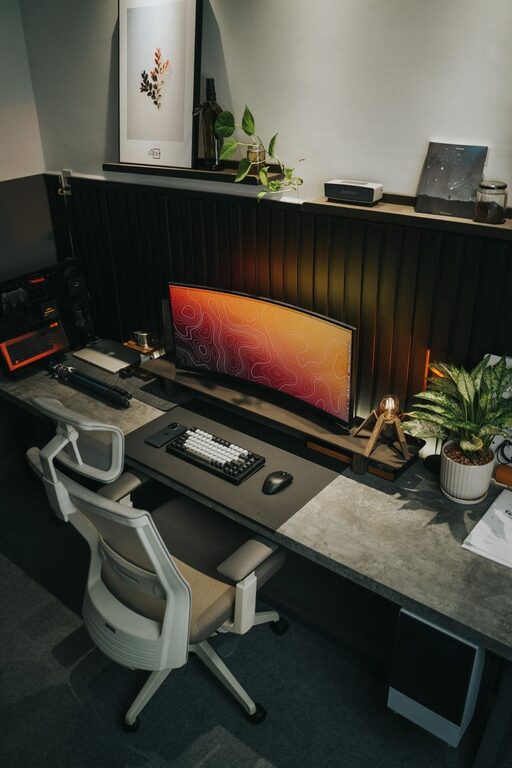
Choose a desk with enough surface area for your computer, notebook, water bottle, and any tools you use regularly. If you write by hand or use a second monitor, allow extra space so the surface does not feel crowded.
Your chair should support a comfortable posture. Look for adjustable height, a supportive backrest, and enough room to sit without feeling restricted. If a full office chair does not suit your room, consider a simple chair with a firm cushion and a small back pillow.
You can also improve comfort with:
– A footrest or small box for foot support
– A cushion for added comfort
– A monitor stand to raise your screen
– A soft mat under your chair
– A desk pad that makes the surface more pleasant
Small adjustments can make the workspace feel more inviting while helping you avoid unnecessary discomfort during long periods of sitting.
Use Soft, Balanced Lighting
Lighting has a major effect on the mood of a room. Harsh overhead lights can make a workspace feel tiring, while dim lighting may cause you to lean toward your screen or strain to read.
Whenever possible, place your desk near a window for natural light. Position the desk so that light comes from the side rather than directly behind or in front of your screen. This can help reduce glare.
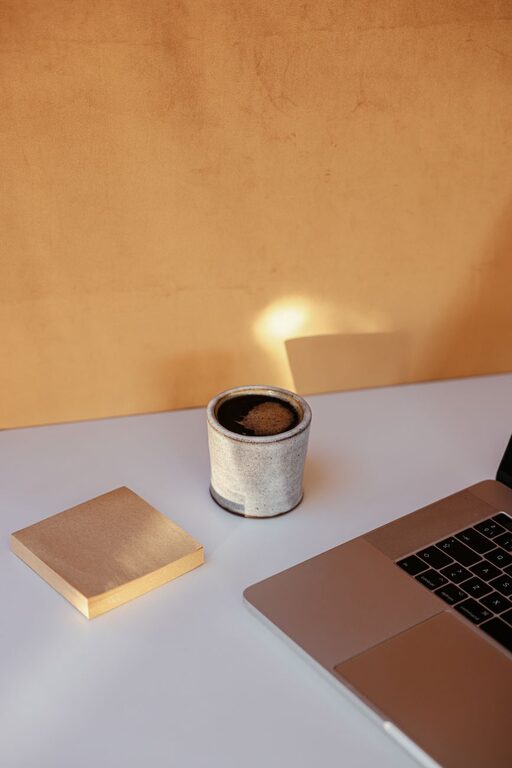
Add a desk lamp for cloudy days, evenings, or focused tasks. A lamp with a warm, adjustable light can create a calmer atmosphere than a bright ceiling fixture. Choose a shade that directs light onto your work area without shining directly into your eyes.
A simple lighting setup may include:
– Natural light during the day
– A desk lamp for task lighting
– Soft ambient lighting for the evening
– Adjustable blinds or curtains to control glare
Avoid relying on a screen as the main source of light. A balanced room is generally more comfortable and visually relaxing.
Keep the Desk Clutter Free
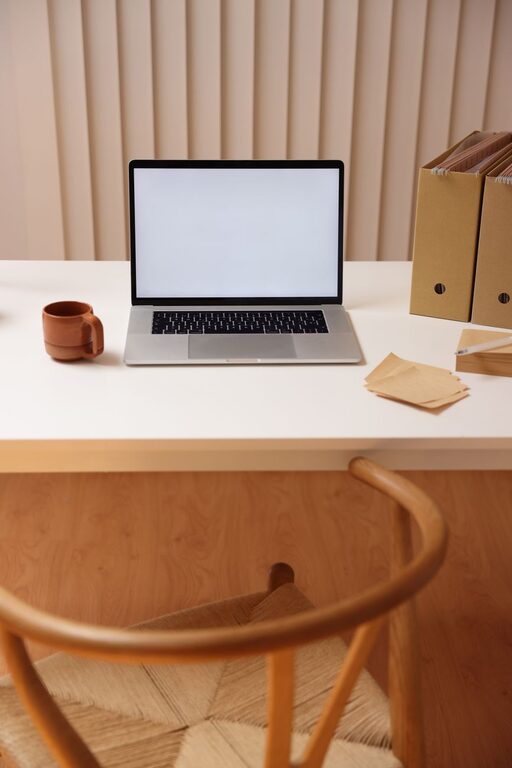
Clutter can make it harder to settle into a task. You do not need a completely empty desk, but every item should have a purpose or a place.
Begin by removing items that do not belong in the workspace. Then group similar supplies together. Use a small tray for pens, a box for cables, and a drawer or container for items you use less often.
Try these simple organization ideas:
– Keep daily tools within easy reach
– Store extra supplies out of sight
– Use cable clips to control loose cords
– Keep a small wastebasket nearby
– Clear the desk at the end of the day
– Use labeled folders for paper documents
A five-minute reset can make the next work session feel easier. Before finishing for the day, return supplies to their usual locations and remove cups, wrappers, and unnecessary papers.
Add Natural Elements
Natural details can make a workspace feel calmer and more connected to the outdoors. A small plant is an easy way to add color and life without taking up much room. Choose a low-maintenance variety if you do not want to follow a detailed care routine.
Other natural elements may include:
– A vase of fresh or dried flowers
– A wooden desk accessory
– A small stone or decorative bowl
– A view of a garden or outdoor area
– A nature-inspired print
– A woven basket for storage
The key is to keep these additions simple. One or two natural details may have more impact than a crowded collection of decorations.
Choose Calming Colors and Textures
Color can influence how a room feels. Soft neutrals, muted greens, gentle blues, warm whites, and light wood tones can create a relaxed backdrop. You can add brighter colors through artwork, stationery, or a small desk accessory.
Texture also matters. Smooth surfaces can look clean, while soft materials make a room feel warmer. Consider adding a fabric chair cushion, a small rug, linen curtains, or a woven storage basket.
When choosing colors and materials, select items that work well with the rest of your home. A workspace that feels connected to nearby rooms will usually look more natural and less like a temporary setup.
Reduce Noise and Visual Distractions
A relaxing workspace does not have to be completely silent, but it should protect you from unnecessary distractions. Close nearby doors when possible, and place noisy devices farther away from your desk.
If outside sounds are difficult to block, try:
– Soft background music
– Gentle instrumental audio
– A fan for consistent background sound
– Headphones during focused tasks
– Curtains or rugs that help soften the room
Visual distractions can be reduced by keeping the desk facing a simple wall or a tidy part of the room. If you work in a shared space, use a folding screen, bookcase, or curtain to create a sense of separation.
Personalize the Space Carefully
Personal touches can make a workspace feel welcoming. Add a framed photograph, a favorite piece of art, or a small object that makes you smile. Choose items that create a positive mood without taking attention away from your work.
You might also keep a notebook for ideas, a simple calendar, or a small card with an encouraging message. These details can help the space feel like your own.
Avoid filling every open area. Leave enough empty space for the room to feel calm and for your work materials to remain organized.
Build Relaxing Workspace Habits
The design of your workspace matters, but your habits matter too. Begin each session by deciding what you want to accomplish. Take short breaks to stand, stretch, or look away from the screen.
At the end of the day, close open tabs, put away supplies, and wipe down the desk if needed. This small routine creates a clear boundary between work time and personal time.
A relaxing workspace should support both focus and recovery. Keep water nearby, adjust the lighting as the day changes, and give yourself permission to make small improvements over time.
You do not need a perfect room to create a peaceful place to work. Start with comfort, reduce clutter, and add details that help you feel at ease. With a few simple changes, your home workspace can become a practical and calming part of your daily routine.