







How to Plan Meals From Pantry Staples
Planning meals from pantry staples is a practical way to make cooking easier, reduce food waste, and avoid last-minute grocery trips. Staples such as rice, pasta, beans, canned tomatoes, oats, flour, and spices can become the foundation for many different meals.
The key is not to create a strict menu based on a long list of ingredients. Instead, build flexible meals around a few reliable pantry items, then add fresh or frozen foods when available.
Start With a Pantry Inventory
Before planning meals, take a quick look at what you already have. Group similar items together so you can see your options clearly.
Useful pantry categories include:
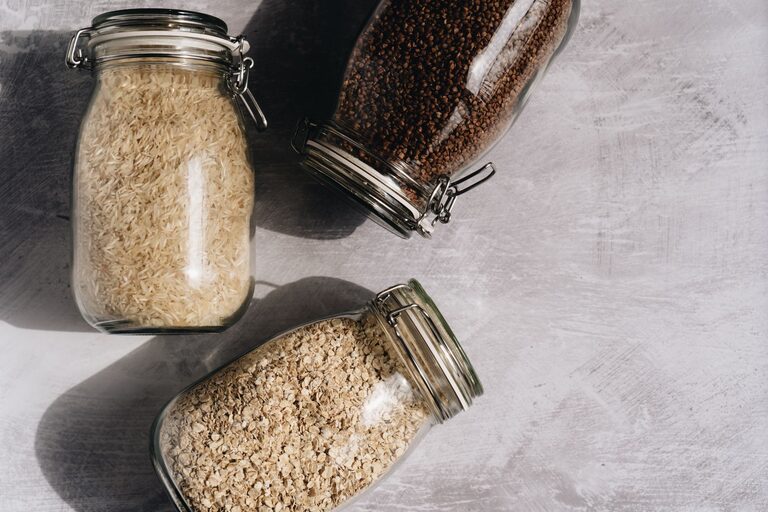
– Grains: rice, pasta, oats, couscous, quinoa, and barley
– Canned foods: beans, tomatoes, corn, tuna, soup, and vegetables
– Dried foods: lentils, split peas, dried beans, and breadcrumbs
– Baking items: flour, baking powder, sugar, and cornmeal
– Flavor boosters: broth, soy sauce, vinegar, oil, spices, and herbs
– Shelf stable proteins: canned fish, peanut butter, nuts, and seeds
Check expiration dates and place older items toward the front. This simple “first in, first out” system helps you use food before newer purchases.
Do not worry about recording every item in detail. A short list of ingredients you have plenty of is usually enough to begin planning.
Choose a Few Meal Bases
A meal base is an ingredient that can support several different dishes. Choosing a few bases makes your plan flexible and prevents every meal from feeling the same.
Good options include:
– Rice for bowls, fried rice, soups, and stuffed vegetables
– Pasta for tomato sauces, cold salads, and baked dishes
– Beans for tacos, soups, salads, and spreads
– Lentils for stews, curries, and grain bowls
– Oats for breakfast bowls, baked snacks, and savory dishes
– Flour or cornmeal for pancakes, flatbreads, dumplings, and simple baked foods
Choose two or three bases for the week instead of trying to use everything at once. For example, you might plan meals around rice, canned beans, and pasta. These foods can be prepared in different ways and paired with a variety of flavors.
Build Meals With a Simple Formula
A basic meal formula can help you create balanced, satisfying dishes without following a specific recipe.
Try combining:
- A main base, such as rice, pasta, potatoes, or bread
- A source of protein, such as beans, lentils, eggs, nuts, or canned fish
- A vegetable, either fresh, frozen, or canned
- A sauce or seasoning, such as tomato sauce, broth, salsa, herbs, or spices
For example, rice, black beans, canned corn, and salsa can become a bowl. The same ingredients can also be wrapped in tortillas or combined with broth for a simple soup.
This formula works because each part can be changed easily. If you do not have beans, use lentils or eggs. If fresh vegetables are unavailable, use frozen peas or canned tomatoes.
Plan by Meal Type
Instead of assigning a completely different recipe to every day, plan a few meal types. This approach gives you structure while leaving room for substitutions.
Breakfasts
Pantry-based breakfasts can be quick and filling. Consider:
– Oatmeal with peanut butter, cinnamon, and dried fruit
– Pancakes made with flour, oats, or cornmeal
– Toast with beans, eggs, or nut butter
– Rice porridge with savory toppings
– Homemade granola with yogurt or milk
You can prepare a large batch of oats, pancakes, or cooked grains and use them over several days.
Lunches
Lunch is a good opportunity to use leftovers and simple combinations. Try:
– Grain bowls with beans and vegetables
– Pasta salad with canned vegetables and a vinegar-based dressing
– Lentil soup with bread
– Tuna or chickpea salad served on toast
– Leftover rice turned into fried rice
Choose lunches that are easy to assemble. Keeping cooked grains, chopped vegetables, or a prepared sauce in the refrigerator can make this process faster.
Dinners
For dinner, select two or three cooking methods so the meals feel different. You might prepare:
– Pasta with tomato and bean sauce
– Rice with lentils and roasted or frozen vegetables
– Bean tacos with salsa and rice
– Vegetable soup with pasta or barley
– Baked potatoes topped with beans, corn, and cheese
A single cooked ingredient can often appear in several meals. For example, a pot of beans may be used in tacos one night, soup the next day, and a salad later in the week.
Use Flavor Themes to Add Variety
The same pantry staples can taste completely different when paired with different seasonings. Choose a few flavor themes for the week.
Try these combinations:
– Italian style: tomatoes, garlic, basil, oregano, and pasta
– Southwestern style: beans, corn, chili powder, cumin, rice, and salsa
– Mediterranean style: chickpeas, lemon, herbs, olives, and grains
– Asian inspired: rice, soy sauce, ginger, garlic, sesame oil, and vegetables
– Comfort food style: broth, potatoes, beans, flour, and dried herbs
You do not need every ingredient listed for a meal to work. Use the theme as a guide and adjust it based on what you have.
Acidic ingredients such as vinegar, lemon juice, or lime juice can brighten simple meals. A small amount of hot sauce, mustard, or pickle brine can also add variety without requiring many ingredients.
Plan for Substitutions
Flexible planning is easier when you decide on substitutions before cooking. This keeps one missing ingredient from disrupting the entire plan.
Common substitutions include:
– Rice for pasta, couscous, or potatoes
– Chickpeas for black beans, kidney beans, or lentils
– Canned tomatoes for tomato sauce
– Frozen vegetables for fresh vegetables
– Vinegar for lemon juice
– Dried herbs for fresh herbs
– Peanut butter for tahini in some sauces
– Broth for water with added herbs and spices
When substituting, consider texture as well as flavor. Lentils cook quickly and become soft, while canned beans hold their shape better. Pasta absorbs sauce, while rice works well with stews and saucy dishes.
Create a Short Grocery List
After reviewing your pantry and choosing meals, make a short list of items that will complete the plan. Focus on foods that can be used in several meals.
Useful additions may include:
– Onions and garlic
– Carrots or other sturdy vegetables
– Leafy greens
– Eggs
– Milk or a dairy alternative
– Cheese or plain yogurt
– Fresh fruit
– Tortillas or bread
Avoid buying an ingredient for only one recipe unless you already know how you will use the rest. For example, a large bag of carrots can work in soups, rice bowls, salads, and roasted vegetable dishes.
Cook Components Ahead of Time
You do not need to prepare every meal in advance. Cooking a few components can be enough to make the week easier.
Consider preparing:
– A pot of rice, grains, beans, or lentils
– A tray of roasted vegetables
– A simple tomato sauce
– A jar of dressing or seasoned oil
– Washed and chopped vegetables
– Hard-boiled eggs
Store cooked foods in clean, covered containers and cool them promptly. Label containers when helpful, especially if you prepare several similar ingredients.
Leave Room for Flexibility
A useful meal plan should guide you, not make cooking feel restrictive. Leave one or two meals open for leftovers, changes in schedule, or ingredients that need to be used first.
You can also create a “mix and match” night. Set out cooked grains, beans, vegetables, sauces, and toppings, then let everyone build a bowl, wrap, or plate.
With a pantry inventory, a few dependable meal bases, and flexible flavor combinations, everyday ingredients can support a wide range of meals. Planning this way saves time, makes shopping more focused, and helps you get more value from the food already in your kitchen.